
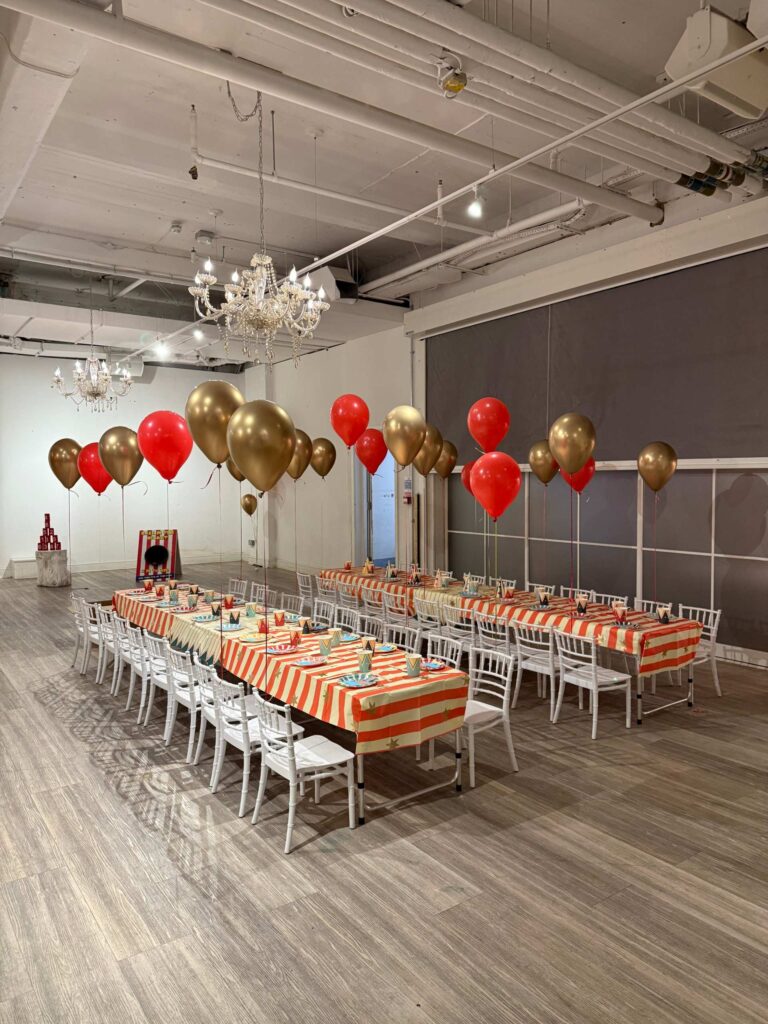
Planning an event in London is exciting, but it also comes with unique challenges that many people underestimate until they are already facing last minute decisions. Whether you are organising a wedding in Kensington, a corporate conference in Canary Wharf, a birthday celebration in Croydon, or a private dinner in Chelsea, your decorations will play a significant role in shaping your guests’ experience and creating lasting memories.
London offers countless venues, suppliers, and design possibilities, but that variety can make decision making more complicated rather than easier. Every venue has different rules, transport logistics vary across boroughs, and unpredictable weather can affect even the most carefully planned outdoor event. Many organisers focus heavily on choosing colours, flowers, balloons, and centrepieces, while overlooking practical considerations that determine whether those decorations will actually work in the space.
The good news is that most decoration disasters can be prevented with proper planning and attention to detail. By understanding the common mistakes people make when decorating events in London, you can save money, reduce stress, and create a beautiful setting that matches your vision from start to finish.
Here are five mistakes you should avoid when planning event decorations in London.
1. Ignoring the Venue’s Decoration Rules and Restrictions
One of the biggest mistakes event organisers make is assuming that every venue allows complete creative freedom, when the reality is that many London venues have strict decoration policies designed to protect historic buildings, maintain safety standards, and preserve their interiors.
Many luxury hotels, listed buildings, museums, and banquet halls prohibit attaching decorations directly to walls, using open flames, or hanging heavy installations from ceilings without prior approval. Some venues also restrict confetti, glitter, candles, smoke machines, or oversized floral installations.
Imagine spending hundreds of pounds on a stunning balloon arch, only to discover that the venue does not permit ceiling installations or adhesive hooks. That expensive decoration may never make it into your event.
Before confirming any decoration plans, ask the venue for:
- Their decoration policy.
- Approved installation methods.
- Set up and pack down times.
- Weight limits for suspended décor.
- Restrictions on candles, flowers, balloons, and special effects.
It is equally important to share these rules with your decorator, florist, and event planner so everyone works within the same guidelines. Professional decorators familiar with London venues often know these restrictions in advance, which can save valuable time during planning.
2. Underestimating London’s Logistics and Traffic Challenges
London is one of the busiest cities in Europe, and transport delays can quickly disrupt decoration schedules if they are not factored into your planning.
Unlike smaller towns where suppliers can arrive shortly before an event, London decorators often need extra travel time because of traffic congestion, road closures, parking restrictions, and congestion charge zones.
Consider a decorator travelling from North London to a venue in Westminster during weekday rush hour. A journey expected to take thirty minutes can easily become ninety minutes or longer, especially if roadworks or unexpected closures occur.
To avoid logistical problems:
- Schedule deliveries earlier than necessary.
- Confirm parking arrangements with the venue.
- Allow additional time for installation.
- Share loading bay information with suppliers.
- Check for road closures near the venue.
Large decorative installations such as flower walls, balloon displays, stage backdrops, and lighting equipment often require multiple trips or larger vehicles, making careful logistical planning even more important.
3. Choosing Decorations Without Considering the Venue’s Size and Style
A decoration that looks breathtaking on Instagram may not work well inside your chosen venue because every space has unique proportions, lighting conditions, ceiling heights, and architectural features.
This mistake happens surprisingly often because many people select decorations before fully understanding how they will interact with the venue.
For example:
- Oversized flower walls can overwhelm intimate venues.
- Tiny centrepieces can disappear inside grand ballrooms.
- Dark decorations may look dull in venues with limited natural light.
- Bright colours may clash with historic interiors.
Instead of decorating against the venue’s character, work with it.
Match décor to the venue
| Venue Type | Decoration Approach |
| ————— | ———————————————————– |
| Historic venue | Elegant florals, candles (where permitted), classic colours |
| Modern hotel | Clean lines, contemporary lighting, minimalist styling |
| Warehouse venue | Industrial accents, bold lighting, statement installations |
| Garden venue | Natural flowers, greenery, weather-resistant décor |
If possible, visit the venue before finalising your decoration plans. Take photographs from different angles and discuss them with your decorator. Many London decorators also offer digital mock-ups or mood boards, helping you visualise how the finished setup will appear.
4. Leaving Decoration Planning Until the Last Minute
London’s event industry is highly competitive, particularly during wedding season, Christmas, summer celebrations, graduation periods, and corporate event months. Waiting too long to book decorators can limit your options and increase costs.
The best decorators often secure bookings several months in advance, especially for weekends and bank holidays.
Last minute planning creates several risks:
- Limited supplier availability.
- Higher prices.
- Fewer customisation options.
- Increased stress.
- Delivery complications.
A well organised timeline makes the process much smoother.
Suggested decoration timeline
| Time Before Event | What to Do |
| —————– | ————————————— |
| 6 to 12 months | Book venue and decorator |
| 4 to 6 months | Finalise colour scheme and design |
| 2 to 3 months | Confirm flowers, furniture, and rentals |
| 1 month | Review setup schedule |
| 1 week | Confirm delivery times and venue access |
Early planning also gives you more flexibility if you need to adjust your budget or replace unavailable items without compromising the overall design.
5. Forgetting London’s Unpredictable Weather
Even during summer, London’s weather can change dramatically within a few hours, and this is one of the most overlooked aspects of event decoration planning.
A sunny afternoon can quickly become windy, rainy, or surprisingly cold, particularly for outdoor weddings, garden parties, rooftop events, and marquees.
Weather can affect decorations in several ways:
- Balloons may burst in direct sunlight.
- Lightweight decorations can blow away.
- Fresh flowers may wilt.
- Paper decorations can become damaged by rain.
- Outdoor lighting may require waterproof equipment.
How to weather-proof your decorations
- Choose weather-resistant materials.
- Secure all outdoor installations properly.
- Use weighted balloon bases.
- Protect floral arrangements from direct sunlight.
- Have a backup indoor setup where possible.
If your event is outdoors, discuss contingency plans with both the venue and your decorator. Many experienced London decorators routinely prepare alternative layouts that can be implemented quickly if the weather changes unexpectedly.
Bonus Tips for Beautiful Event Decorations in London
Beyond avoiding these five common mistakes, there are several practical ways to elevate your event decorations while staying within budget.
Create a cohesive colour palette
Rather than using too many competing colours, choose two or three complementary shades and carry them consistently across flowers, table settings, signage, balloons, and lighting.
A cohesive palette creates a polished and professional appearance without requiring excessive spending.
Prioritise lighting
Lighting often has a greater impact than expensive decorations because it transforms the mood of a venue, highlights key features, and makes photographs look significantly better.
Popular lighting options include:
- Fairy lights
- LED uplighting
- Warm spotlights
- Neon signs
- Candle-style LED lighting
Focus on high-impact areas
If your budget is limited, invest in the spaces guests will notice most.
These include:
- The entrance.
- The stage.
- The cake table.
- The photo backdrop.
- The head table.
A few well designed focal points usually create a stronger impression than trying to decorate every corner of the venue equally.
Work with experienced local suppliers
Decorators who regularly work across London understand local venues, delivery routes, installation requirements, and seasonal trends.
They can also recommend practical alternatives when certain ideas are unsuitable for a particular venue or budget.
Final Thoughts
Planning event decorations in London requires balancing creativity with practical planning because the city’s diverse venues, busy transport network, seasonal demand, and unpredictable weather create challenges that are very different from organising events elsewhere.
The most successful events are not necessarily those with the biggest budgets, but those where every decorative element has been carefully planned to suit the venue, the schedule, and the guest experience.
By avoiding these five common mistakes, including ignoring venue restrictions, underestimating logistics, choosing unsuitable decorations, delaying bookings, and overlooking the weather, you will place yourself in a much stronger position to create an event that looks elegant, runs smoothly, and leaves guests with lasting memories.
Whether you are planning an intimate celebration or a large scale corporate event, thoughtful preparation will always be your greatest decoration investment because beautiful décor is not just about impressive flowers or luxurious centrepieces, but about creating an atmosphere that reflects your vision while ensuring every detail works seamlessly on the day.